
Is your product development getting bogged down by high costs and complexities?
Designing a product for manufacturing involves streamlining the design process to reduce cost and improve efficiency. It includes considerations like material choice and production methods.
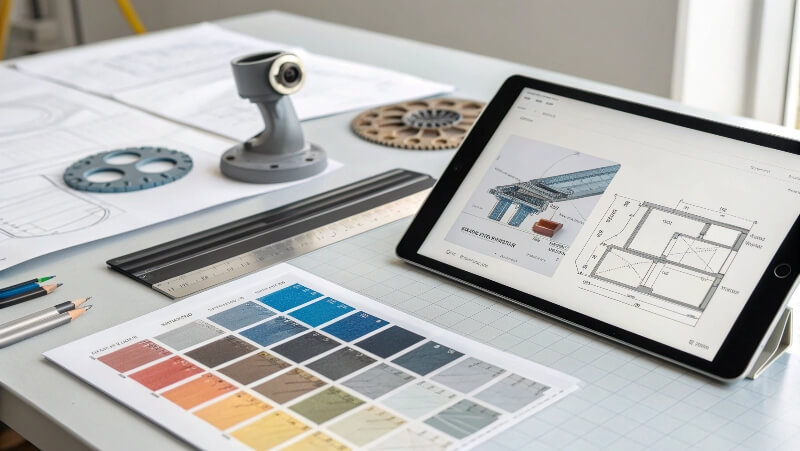
By focusing on these aspects, you can ensure your product moves smoothly from design to production, saving time and money. This approach not only minimizes expenses but also helps in creating a seamless transition to manufacturing, reducing the likelihood of errors and enhancing scalability.
What is an Example of a Product Design?
Ever wondered how some products capture the market effortlessly while others fail?
An example of product design is a smartphone case designed for both aesthetic appeal and durability, minimizing material use while maintaining quality.
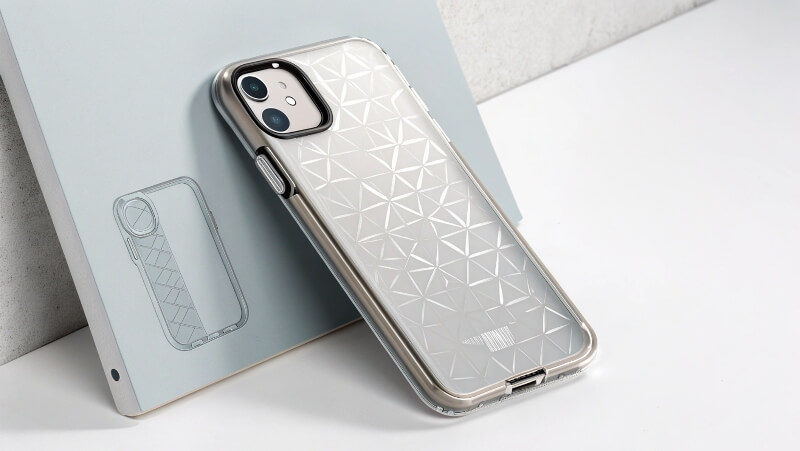
Product design means understanding and meeting customer needs through clever solutions. Consider a smartphone case: beyond its look, it’s crafted for robustness and efficiency. This involves a full cycle from initial concept through consumer feedback, rigorous material testing, and design optimization. By iterating on these steps, designers can create cases that are lightweight yet tough, satisfying both style and utility demands. This example shows how a simple accessory can integrate complex design steps to ensure product viability and market appeal.
What are the Three Types of Product Design?
Confused about where to start in the design process?
The three main types of product design are system design, process design, and interface design, each focusing on different product aspects.
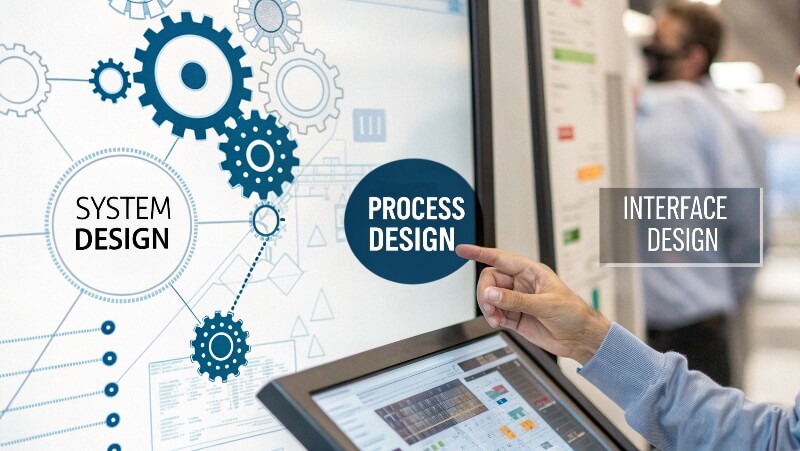
Each type addresses unique needs. System design provides the overarching framework, ensuring harmonious operation of components. Process design refines manufacturing steps to maximize efficiency. Interface design focuses on user interaction, ensuring intuitive use. Take an automotive design as an example. System design integrates engine and electronics, process design streamlines assembly, and interface design ensures user-friendly controls. This comprehensive approach helps to innovate and optimize products, ensuring they meet consumer needs and industry standards.
What are the 5 Elements of Product Design?
Feeling bombarded by multiple design factors?
The five elements of product design are usability, aesthetics, function, material, and sustainability, guiding how a product is crafted.
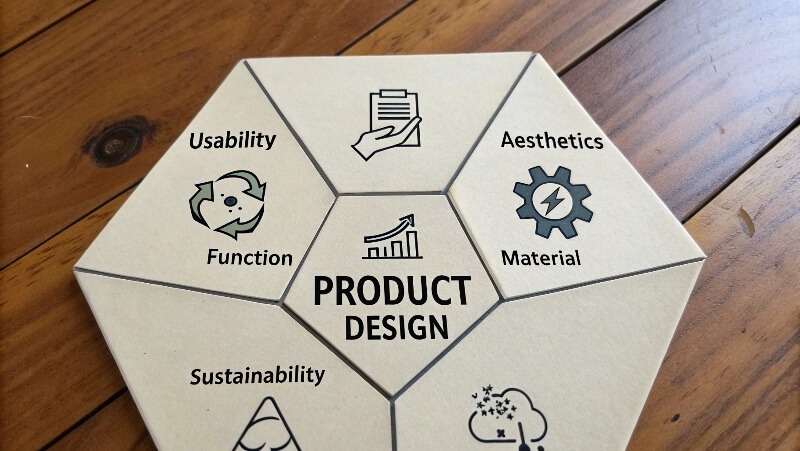
Let’s dive into these elements. Usability ensures the interface is user-friendly and practical. Aesthetics attract buyers and become a market differentiator. Function focuses on core features and reliability. Material selection impacts monetary and environmental costs, while sustainability considers the product’s life cycle effects. When combined, these elements lead to cohesive design strategies that not only appeal visually but also offer robustness, efficiency, and eco-friendliness. Successful products seamlessly integrate these components to meet modern demands.
What are the 4 Phases of Product Design?
Navigating through the design phases can be perplexing.
The four phases are conception, design, development, and production, guiding a product from idea to market.
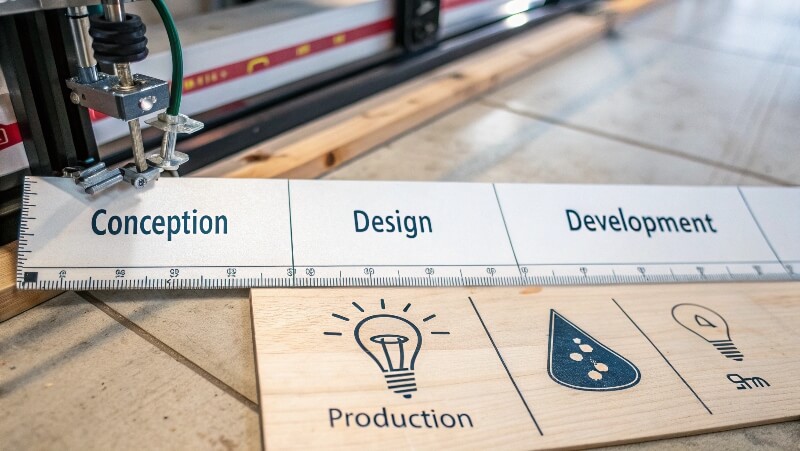
Each phase is a step towards tangible results. Conception generates ideas through brainstorming and market analysis. The design phase transforms these ideas into detailed plans and prototype mock-ups. Development involves creating, testing, and refining prototypes to ensure all issues are addressed. Lastly, production scales up the refined design to full manufacturing, focusing on cost-efficiency and quality control. Each phase builds upon the last, ensuring the final product is well-designed and meets its market goals.
How Do I Start Designing a Product?
Starting can be the toughest hurdle in the design journey.
Begin by defining the problem, conducting market research, brainstorming solutions, and sketching initial ideas to lay the foundation for your product.
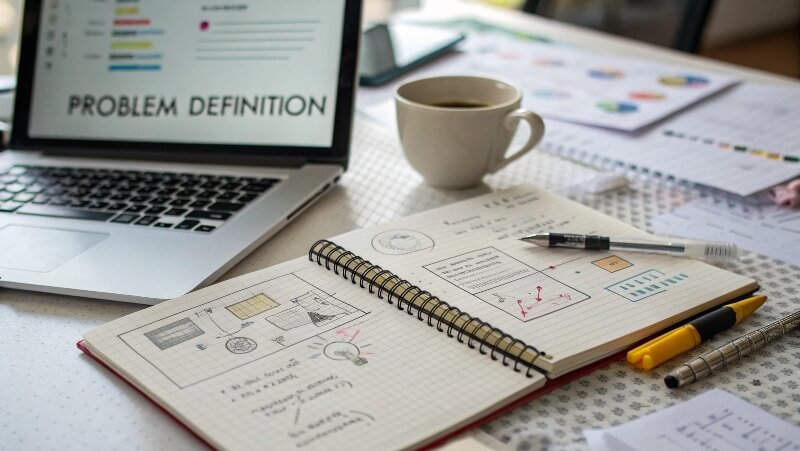
Identify customer challenges or gaps in current market offerings. Solid research follows, examining competitors and consumer needs. Brainstorming fosters creativity, leading to initial sketches and prototypes. This proactive planning foreshadows potential obstacles, allowing designers to prepare effectively. A methodical start prevents costly missteps and aligns innovation with market demand. Whether designing a new gadget or reinventing an old one, this beginning phase is vital for a focused and successful development process.
Partner with Feiliz: From Design Concept to Manufacturing Reality?
Facing hurdles in converting your ideas into tangible products?
Feiliz offers end-to-end support, from design to production, ensuring cost efficiency and streamlined processes for your product.

Feiliz is devoted to removing the complexities of product development. We offer hands-on support in concept ideation, material sourcing, and detailed production management. Imagine the ease of having specialists who streamline your transition from concept to tangible products. With Feiliz, your projects become more manageable, less risky, and efficient, offering insights and effective solutions. Our comprehensive approach ensures your products not only reach the market quickly but also align with your strategic goals for quality and cost.
Conclusion
Designing products efficiently saves money and increases market success. Partnering with experts like Feiliz makes the journey smoother, aligning your vision with tangible outcomes.
Leave a Reply