
Manufacturing in China offers great opportunities, but quality control can be daunting. Unchecked, it jeopardizes product integrity and brand reputation.
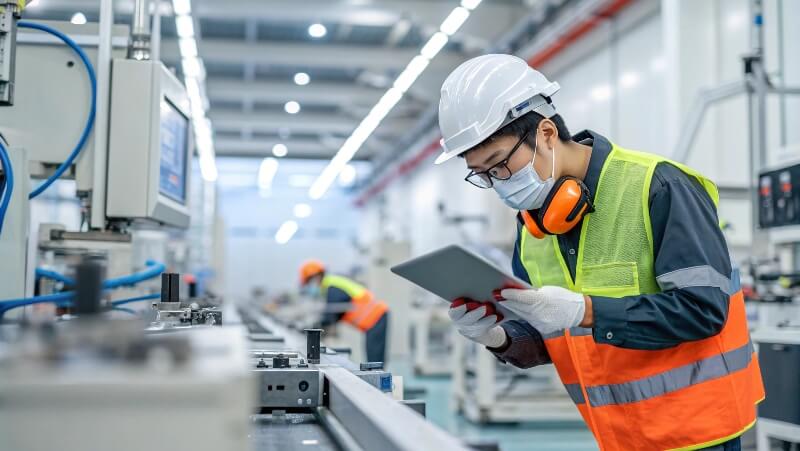
Quality control in Chinese manufacturing involves consistent process monitoring. Inspect materials and conduct frequent audits. Use clear communication with suppliers to ensure standards are met for every production cycle.
Navigating these steps ensures that readers stay engaged and learn to manage quality effectively.
What are the 4 types of quality control?
Quality control can feel overwhelming. Knowing the different types helps streamline processes and improve results.
The four types are process, acceptance sampling, control charts, and product inspection. Process control monitors operations, while acceptance sampling checks lots. Control charts track variations, and inspection examines finished products.

To dive deeper, understand that each type serves a unique purpose in manufacturing. Process control ensures that each step in production meets specified parameters. Acceptance sampling evaluates batches to decide if they meet quality standards. Control charts visualize trends over time, identifying potential issues. Product inspection verifies finished items for defects. These methods, when used effectively, minimize errors and ensure consistent quality across manufacturing stages. Implementation of these techniques requires understanding of data collection and analysis to maintain high product standards.
What are the 7 basic tools of quality control?
Quality issues can be reduced with structured tools. Familiarity with basic tools aids prevention.
The seven tools are cause-and-effect diagrams, check sheets, control charts, histograms, Pareto charts, scatter diagrams, and flow charts. Each tool offers a different insight into quality management.
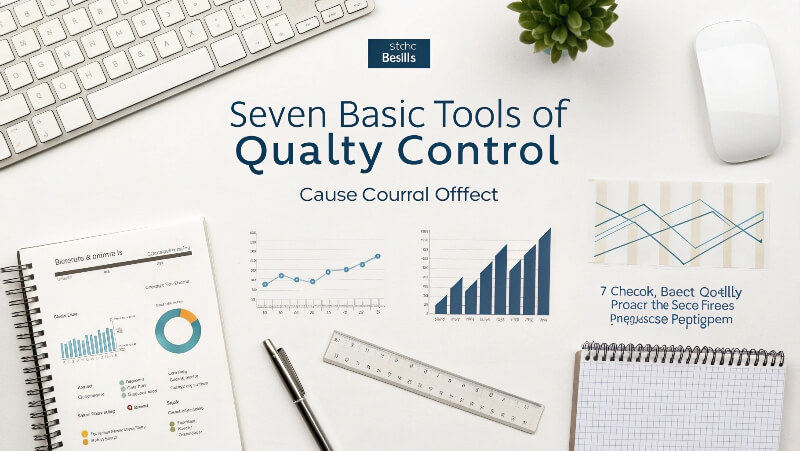
To further explore these tools, consider their functions. Cause-and-effect diagrams identify potential sources of defects. Check sheets collect data for real-time analysis, while control charts monitor process stability. Histograms illustrate data distributions, addressing variances in production. Pareto charts highlight major problems, guided by the 80/20 rule. Scatter diagrams expose relationships between variables, aiding in root cause analysis. Finally, flow charts map processes, demonstrating areas for optimization. These tools, essential for robust quality control, empower manufacturers to systematically detect and correct defects.
What are the unique challenges for quality control in Chinese manufacturing?
With vast potential, Chinese manufacturing poses distinct quality control challenges. Recognizing these hurdles enables clearer solutions.
Common challenges include language barriers, varying standards, and inconsistent practices. Establishing strong communication and stringent protocols addresses these issues effectively.

Diving deeper into these challenges, manufacturers often face discrepancies in quality expectations and cultural differences. Effective communication bridges language and cultural gaps. It’s vital to establish clear guidelines and regularly train local teams about international standards. Chinese suppliers might have diverse practices that may not align with global expectations. Regular audits and inspections allow for identification of deviations early. Moreover, developing strong relationships with suppliers gains trust and fosters better cooperation. Adopting technology, like automated monitoring systems, also aids in overcoming these hurdles. Tailored strategies to address these challenges ensure consistent quality.
How do you ensure quality control?
Unsure if your current system is enough? Learn effective measures that improve oversight.
To ensure quality control, standardize processes, enforce inspections, and use technology for data tracking. Strong supplier relationships also bolster control methods.

Delving into control strategies, standardization reduces variability and creates predictable outcomes. It’s essential to enforce routine inspections at multiple stages of production to detect issues early. Data tracking technology provides insights and enhances traceability, capturing real-time deviations. Building robust supplier relationships is crucial—these partners must understand your quality requirements and collaborate to meet them. Regular training sessions empower workers to adhere strictly to protocols. Implementing these strategies fosters a seamless quality assurance system, ensuring products consistently meet desired standards.
My Personal Experiences
In all the orders we handle at Feiliz, we follow a clear and consistent quality control process. From the very beginning, when we’re still discussing the order with clients or suppliers, we make sure every detail is fully understood by both sides. We repeat key points and confirm everything in writing to avoid misunderstandings that could lead to mistakes later.

Once the order details are locked in, we move to the next step: making a pre-production sample. This sample must be approved before we greenlight mass production. During production, we don’t just wait until the end to check quality—we perform inline inspections to catch issues early. After production, we conduct a final random inspection to ensure the bulk goods meet the standards.
Through years of experience, we’ve learned one important lesson: a well-controlled process is much more reliable than relying on people’s best efforts. Why? Because people have good days and bad days—their performance can vary. But a solid process stays consistent.
That said, even with all this in place, we still face challenges—especially with custom or innovative products that don’t have established standards. In those cases, the manufacturer often doesn’t have existing experience to fall back on.
When that happens, we don’t just supervise—we get directly involved. We join forces with the supplier and the client to help source the right raw materials and set up quality checks. Together, we find materials that not only meet market expectations but are also realistic to produce. Then we help define clear quality standards to guide the whole process.
By working this way, we turn unknowns into manageable steps—and keep quality under control even when the product is something completely new.
Conclusion
Quality control isn’t just a step in Chinese manufacturing; it’s a continuous engagement. Ensure it through comprehensive strategies and partnerships.
Leave a Reply