
The pressure to ensure quality, compliance, and cost-effective production is mounting. Traditional audits often fall short, making it crucial to rethink our approach.
Modern procurement demands a shift toward a comprehensive 5-point auditing framework. This new model enhances transparency, efficiency, and accountability while addressing limitations of conventional methods.

Navigating the complexities of supply chains requires a fresh perspective, one that aligns with today’s fast-paced market demands. Let’s dive into the key elements of this transformative framework.
What are the 4 types of audit?
Traditional factory audits, while foundational, often lack flexibility and fail to keep pace with innovation.
The classic types include system, compliance, product, and process audits. Each has distinct goals and methodologies, but together, they form the bedrock of quality assurance.
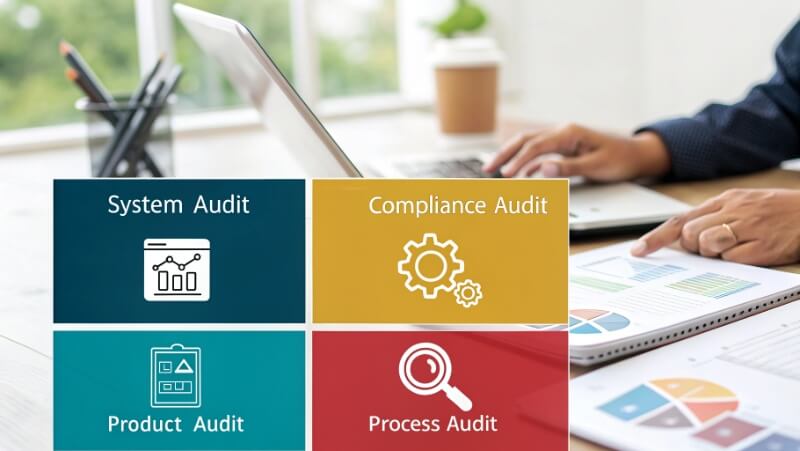
These audits serve vital functions, yet the rigid structures often don’t adapt well to new challenges. We need to expand beyond traditional approaches, integrating more dynamic, technology-driven solutions.
What are 1st, 2nd, and 3rd party audits?
Understanding who performs an audit is crucial for its impact and credibility.
First-party audits are internal, second-party audits are conducted by clients, and third-party audits involve independent entities. Each has unique perspectives and stakes.
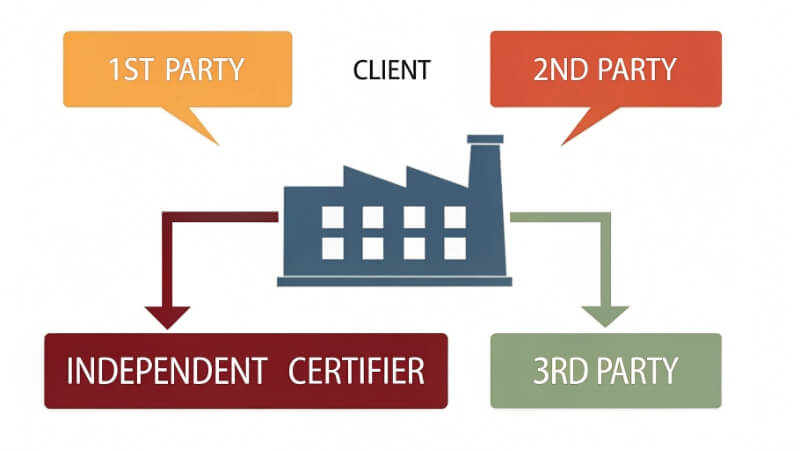
While each type offers valuable insights, blending these perspectives within a unified framework empowers businesses to leverage a more holistic understanding. It’s not just about who does the audit but how it fits within the broader strategic goals.
What are the 5 steps of an audit?
A structured approach enhances clarity and effectiveness, making audits a powerful tool for procurement.
The new 5-step audit framework involves preparing, conducting, reporting, analyzing, and implementing corrective actions. This sequence is designed to maximize efficiency and results.
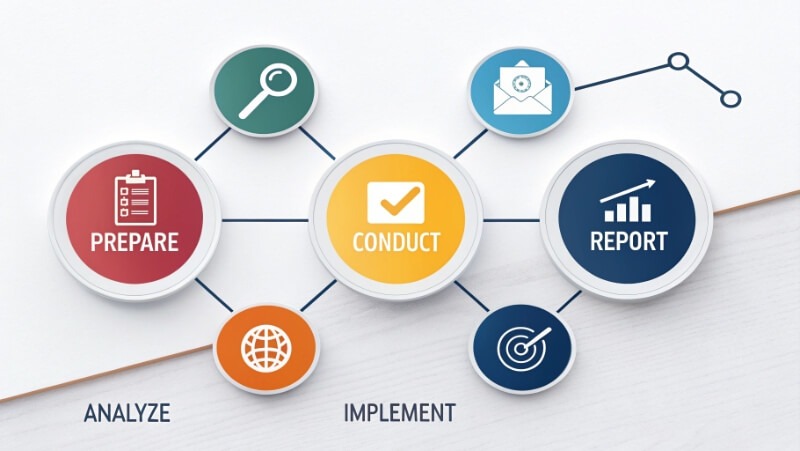
Each stage of this framework plays a pivotal role in driving continuous improvement. Preparation involves thorough planning, while the execution focuses on gathering comprehensive data. Reporting and analysis transform findings into actionable insights, culminating in targeted corrective measures that enhance operational excellence.
What are factory audits?
Redefining factory audits elevates their significance in today’s competitive landscape.
Factory audits, encompassing various inspection types, ensure that manufacturing processes meet predefined standards and quality benchmarks while minimizing risk and improving reliability.
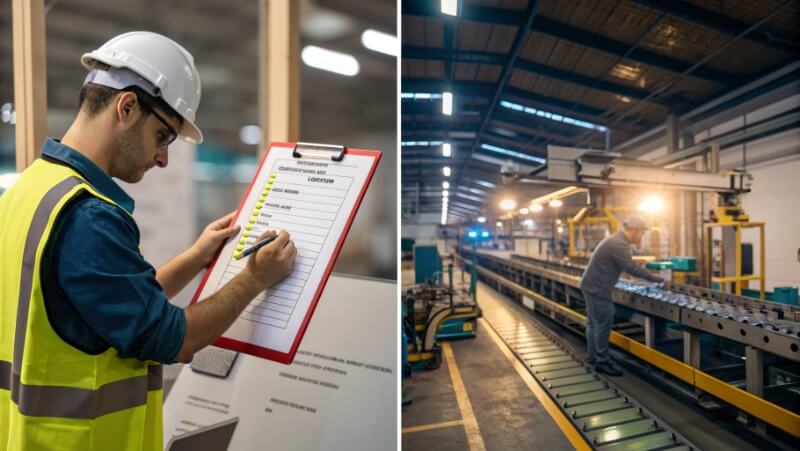
Incorporating modern techniques and digital tools enriches the audit process, turning it into a strategic asset. This refined understanding empowers procurement professionals to navigate complexities with agility and assurance.
Conclusion
Adopting a modern, 5-point audit framework revolutionizes procurement by ensuring better quality, cost efficiency, and compliance.
Leave a Reply